
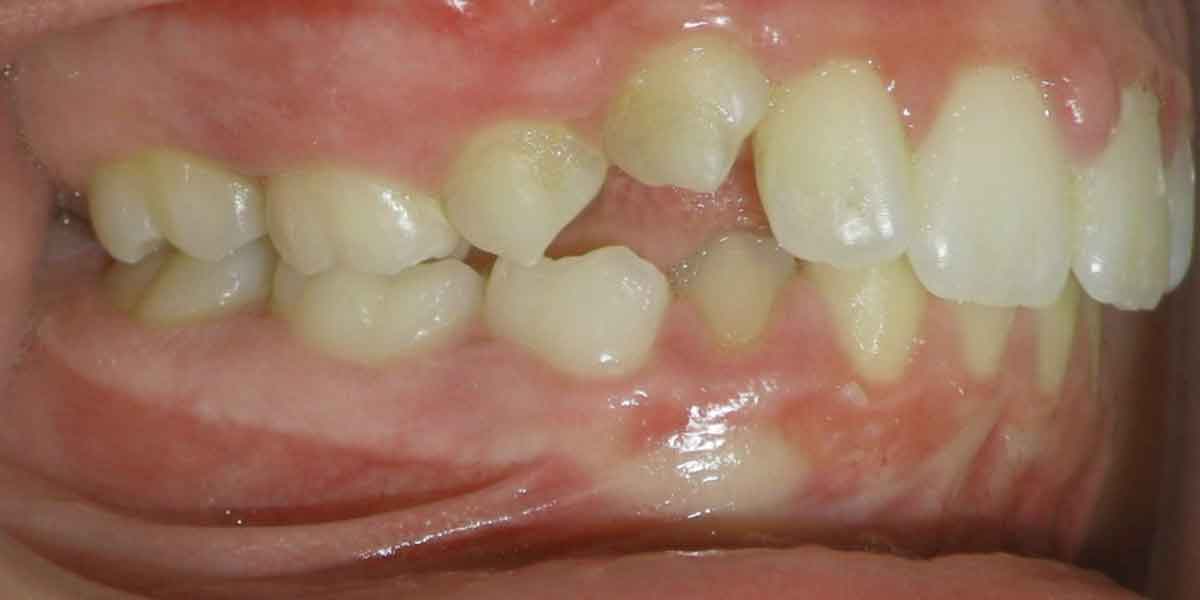

Thumb Sucking: Effects on Dental Health and Strategies for Breaking the Habit
Understanding the Habit of Thumb Sucking
Infants and young children commonly engage in the habit of thumb sucking as a means of seeking comfort and security. While most children naturally stop this behavior between the ages of two and four, prolonged thumb sucking can result in various dental and developmental issues.
Reasons for Thumb Sucking
Children resort to thumb sucking for several reasons, including seeking comfort, self-soothing in times of stress or anxiety, forming a habit from infancy, or out of boredom or inactivity.
The Impact of Thumb Sucking on Dental Health
Prolonged thumb sucking can have a significant impact on a child’s dental health. It can lead to malocclusion, where the teeth become misaligned, causing issues with chewing, speaking, and self-esteem. Additionally, it can result in palate deformation, leading to breathing difficulties and speech problems. Furthermore, chronic thumb sucking can cause skin irritation, calluses, or infections on the thumb, requiring medical attention.
Effective Strategies to Break the Thumb Sucking Habit
There are various effective strategies that can help in breaking the habit of thumb sucking, including the use of positive reinforcement, identifying triggers, gentle reminders, providing comfort and security, using a thumb guard, and seeking professional help.
Positive Reinforcement and Reward System
Praising children for not sucking their thumb and offering rewards for their progress can be an effective way to encourage behavior change. Creating a reward chart to track progress, offering praise and small rewards for milestones, and celebrating achievements are effective positive reinforcement methods.
Identifying and Addressing Triggers
Understanding the triggers that lead to thumb sucking and providing alternative comfort or distraction methods can help in addressing the root cause of the habit. Keeping a journal to track when thumb-sucking occurs, identifying common situations or emotions linked to the habit, and offering alternatives during these times are effective strategies.
Gentle Reminders and Comfort Strategies
Gentle reminders and providing alternative sources of comfort can help children become more aware of the habit and reduce their reliance on thumb sucking. Using a code word or phrase, offering substitute activities, spending quality time together, and creating a calming bedtime routine can be effective in breaking the habit.
Use of a Thumb Guard and Seeking Professional Help
Thumb guards can be used as a plastic device that fits over the thumb, making it difficult for the child to suck. Seeking professional help from a pediatric dentist, orthodontist, or therapist may also be necessary if the habit persists beyond age four or if it is causing dental or speech issues, or if the child seems anxious or stressed about stopping.
In Conclusion
Thumb sucking is a common habit among young children, but prolonged thumb sucking can lead to dental and developmental issues. By using positive reinforcement, identifying triggers, providing comfort, and seeking professional help, parents can help their child break the thumb-sucking habit and protect their dental health. With patience and consistency, children can overcome this habit and enjoy a healthier, happier smile.